PUBLISHED ARTICLE / XUNPAN
Japan PSE Power Cords: Choosing Two-Pin, Three-Pin, or Separate Earth
A pin count or a PSE field in a catalogue does not complete a Japanese-market power-cord specification. Define the equipment's earthing and both cord ends before reviewing the import arrangement and documents.
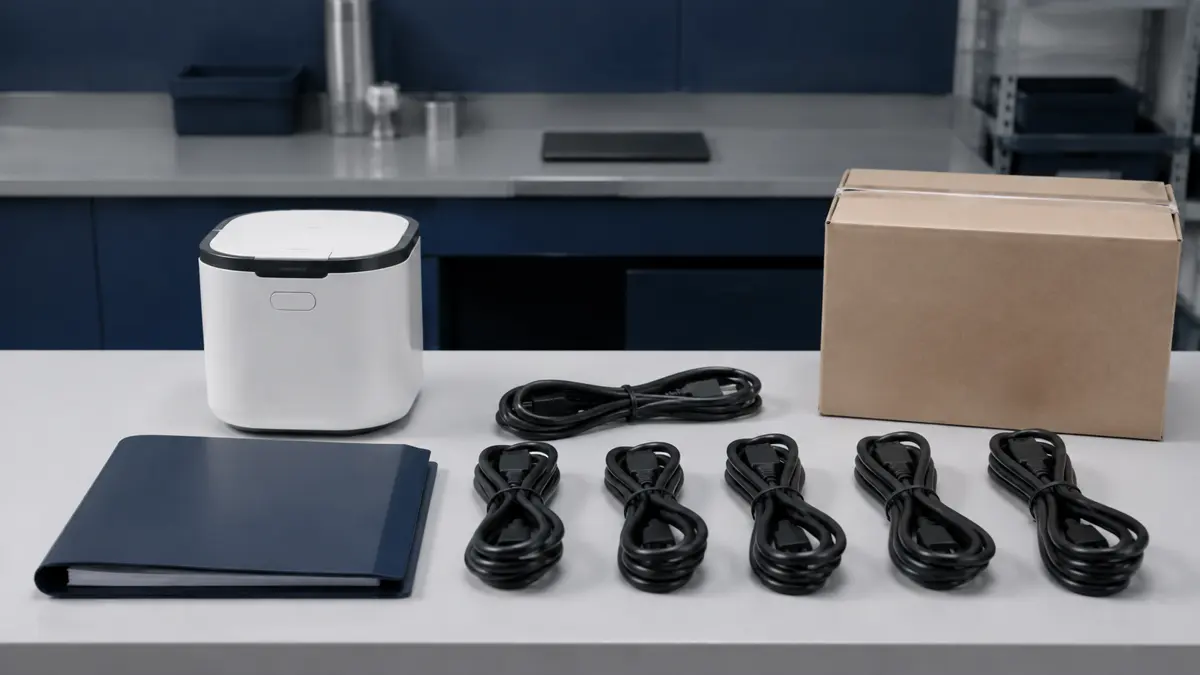
If a Japanese-market RFQ says only “PSE power cord,” several decisive inputs are still missing. Does the equipment require a two-pin plug, a three-pin plug, or a separate earth lead? What is the appliance-end connection? Will the cord be sold separately or imported with a specific appliance? These differences affect mechanical fit, finished-cord construction, and the compliance review.
Japan's Ministry of Economy, Trade and Industry (METI) explains that the Electrical Appliances and Materials Safety Act regulates the manufacture, import, and sale of relevant electrical appliances and materials. PSE is not a generic label that can be separated from a specific product and responsible party. Equipment design, supply arrangement, the Japanese importer's role, and evidence for the proposed model need to be reviewed together.
Let the equipment design determine the earthing arrangement
Two-pin, three-pin, and two-pin-with-separate-earth configurations are different connection arrangements. They should not be interchanged based on price or appearance. The equipment's electrical design, rating plate, instructions, appliance-end interface, and installation conditions determine whether protective earth is required.
HSC's current catalogue separately lists a Japan Two Pin Power Cord, Japan Three Prong Power Cord, and Japan Two Pin With Ground Wire Power Cord. Each record lists PSE in its certifications field. That catalogue information identifies available product directions; it does not replace engineering confirmation of the equipment earthing circuit, termination, and project documentation.
State the equipment's protection and earthing requirements in the RFQ, and include the appliance connector, equipment model, and relevant circuit or assembly information. When a separate earth lead is required, define its termination, length, terminal form, and available assembly space rather than writing only “with ground wire.”
Describe the purpose behind any special structure
The catalogue also lists a Japan Rotating Two Pin Power Cord, Japan Waterproof Two Pin Power Cord, and Japan Magnetic Two Pin Power Cord, each with PSE in its respective record. These are different structural directions, not proof of fit based on the title alone.
A rotating design requires its movement range, installed cable-exit direction, and clearance to be defined. A waterproof description requires review of the complete mating system, environment, and project requirement; a catalogue name cannot establish an enclosure rating for the finished appliance. A magnetic connection requires the mating side, retention method, installation orientation, and equipment specificity. Detailed inputs allow the supplier to determine whether an existing model, a physical matching sample, or further custom review is needed.
Review PSE evidence against the actual import arrangement
METI states that the importer carries the relevant statutory obligations for imported electrical appliances and materials. It also states that only a notifying supplier that has fulfilled the applicable obligations may affix PSE labelling. For an overseas procurement team, a supplier catalogue entry that lists PSE is therefore not the entirety of the Japanese importer's compliance work.
METI's 2023 implementation guide describes a power-supply cord set as a cable with an AC plug or connector at both ends. It explains that treatment of a cord set imported with equipment can depend on whether it is for general use, its relationship with the equipment, and the actual supply scenario. The guide also notes that its English text is for reference and that strict interpretation requires the original Japanese legislation.
At the RFQ stage, the Japanese importer or its compliance lead should confirm product classification, applicable technical requirements, conformity-assessment path, labelling responsibility, and required records. The supplier should provide a traceable model, construction specification, the scope of any certificate or test evidence, and information showing how the reviewed sample relates to mass production.
Put these five input groups into one RFQ
- Equipment: model, use, protection and earthing design, appliance-end interface, and ratings.
- Plug arrangement: two-pin, three-pin, or two-pin with a separate earth lead, including the earth termination.
- Complete cord: cable type, core count, conductor specification, length, colour, jacket, exit direction, and environment.
- Supply arrangement: cord sold separately or packed with a named item of equipment.
- Regulatory evidence: Japanese importer confirms classification and responsibility; supplier provides evidence for the exact proposed model rather than a series name alone.
Browse HSC's power cords and plugs category, then send HSC the equipment information, Japanese-market supply arrangement, and complete RFQ for model-specific review.
This article provides general industry information. Specific technical requirements remain subject to the current standards and certification-body rules of the target market.
RELATED EVIDENCE